We All Fall
We all fall, be it from a horse or something less equine. Our exaggerated reactions to falling and failure suggest that many of us take falling personally, viewing it as a problem with our character rather than a feature of life and living.
Failure isn’t a call to quit, though that’s easily forgotten as we experience anger, frustration, and disappointment. Failure is a “not yet,” not a “not ever.” It’s “try again,” though my inside voice doesn’t always appreciate that giving it another go is an option.
I secretly expect perfection off the hop every time.
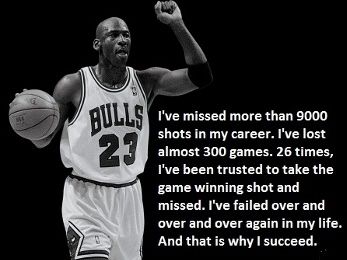
I suppose that’s why I like the inspirational word art people hang on their walls, to the despair and chagrin of interior designers the world over. I have a lovely one about persistence and Michael Jordan.
Would that I were better at persistence’s execution. Persistence is another one of my weaknesses. I’m just lousy with them. Being human with my imperfections is irritating at times. [i]
What If There’s No Horse?
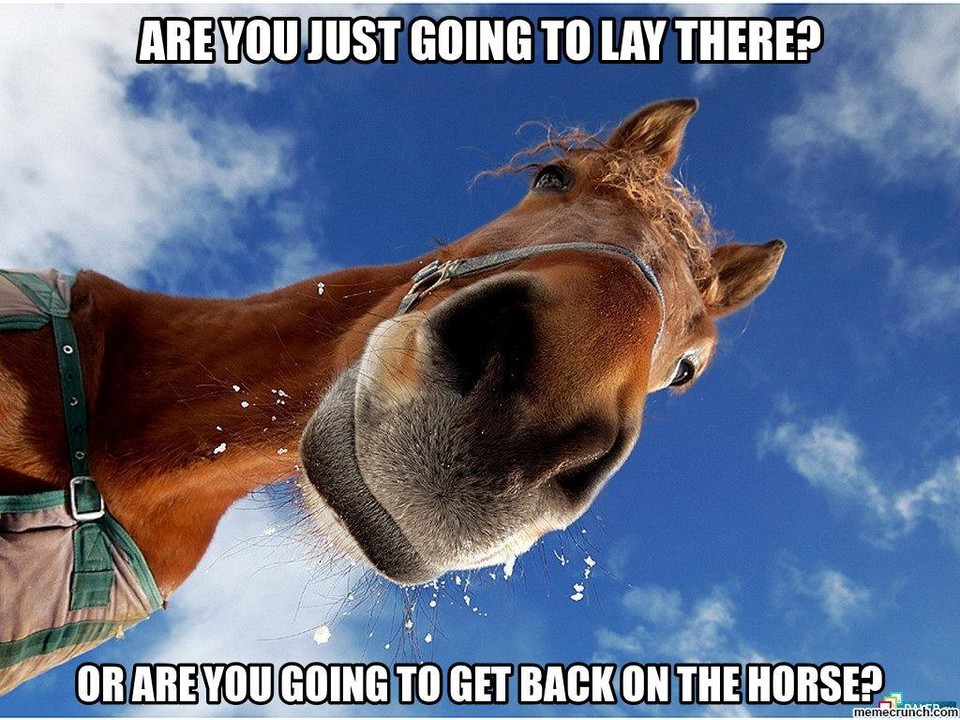
I love a metaphor, especially if no actual horse is required. My stables are empty, and I also have no stables. To get back up on the horse is to try again. Of course, if you were actually horseback riding when you fell, the metaphor’s more literal for you than for most.
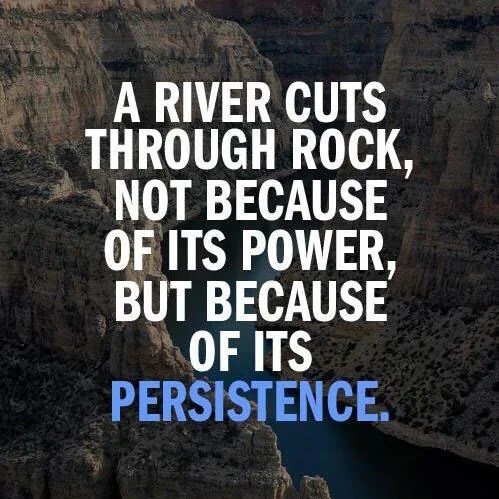
Persistence isn’t futile. Don’t give in, and don’t give up. Don’t quit in the face of obstacles or challenges. Ignore the inside voice busy with its “can’ts” and “don’ts,” and find your inner cheerleader instead.
This is a bit of “do as I say, not as I do” advice. I often give up, at least at first blush. It’s my default, backing down, and it requires a workaround. Step one was acknowledgment, and that was hard. I do hate admitting to imperfections.
I used to beat myself up severely over my tendency to give way when the going got tough, especially in the face of conflict. I’d tell myself I was weak, or a quitter, or both and more, but the truth is, trauma in childhood has long legs and impacts you in many different ways.
One effect is a gap in one’s sense of self and feelings of competence. “Gap” in the sense that you assume you have none.
I Bend for Others to an Unhealthy Degree
If you watch videos on healthy eating, it’s not long before you encounter recipes including cottage cheese. It’s high protein, can be low fat, and you can put it in almost everything for a helpful protein boost. It’s always a good time to include it.
Boundaries are the cottage cheese of the mental health world.
I’m great with my boundaries when things are going well, but when challenges and struggles arise, my first instinct is to give up. I then try to figure out which of my character flaws or failures of action caused things to deviate from perfect.
Once down, we look for a reason for the fall. Some people look for a mouse. Others of us assume the mouse is our fault in some way. I take life happening to me very personally. Happenings are sometimes perceived by my brain as a directed attack, mostly due to my character deficiencies.
The Impact of Trauma
A history of trauma and an, at times, unstable home environment means I default to survival mode in the face of obstacles or conflict, at least initially. I’m better than I was, and I can change course more easily after years of work, but my tendency still is to withdraw and hunker down mentally and physically.
Sometimes, I would pretend there was no horse, and thus the fall was imaginary and getting back up was unnecessary. Unfortunately, the horses you don’t remount seem to get larger and scarier as time passes.
What then to do? How do we remount in the face of fear, especially if we’re struggling to locate the stirrups?
Step one is to take a moment.
We Rise
Life runs more smoothly if we take a moment to catch our breath and collect our thoughts before diving in. Haste makes waste, and that’s a truism with some truthiness. Taking a beat before we remount also has value.
We experience a sense of urgency that’s hard to ignore when we’re facing struggles, but things go better for us when we take a beat before acting. It’s a good thing to embrace the pause.
I used to think the quick response was the more positive choice – don’t the grass grow under your feet – but taking the time to calm down, collect my thoughts, and feel my feelings means that when I do take action, things go better for me. [ii]
The Inside Voice
Monitoring that inside voice that enjoys celebrating our failures is another good step. Saying nice things to yourself is helpful when you’re trying to accomplish, well, anything. Props if you don’t have a nasty inside voice: I’m jealous.
My inside voice used to be vicious indeed. It’d tell me all kinds of awful “truths” about myself. It would tell me I had no spine or gumption, and that I collapsed like warm gelatin in the face of challenges, but the truth is, I’m more like grass. I get flattened by strong winds and heavy steps, but I bounce back up. I have a spark of resiliency that has proven difficult to extinguish, for all that I’ve tried.
It’s Okay To Do Hard Things
I’m not sure when my brain latched onto the idea that new things should be easy. I’m sure I’m not alone with this line of thinking. Of course, I’ll be awesome at X, notwithstanding that I’ve never tried it in my life. As Homer Simpson said, “If something’s hard to do, maybe it’s not your thing.”
It’s tempting to believe Homer, but most of us aren’t savants when trying something new. Almost everything’s a challenge with our first attempt. If we think otherwise about this skill or that one that we possess – “I’m a natural” – it’s because we’ve forgotten the work it took for us to reach, “easy.”
Expecting to be perfect and quitting if you’re not, or disengaging because you’re struggling, is the best way to maintain your personal status quo. It’s the best way to avoid growth, change, challenge, and fun. Giving up on things that challenge you keeps your life small. I speak from some experience here, though I’m working on changing that behaviour.
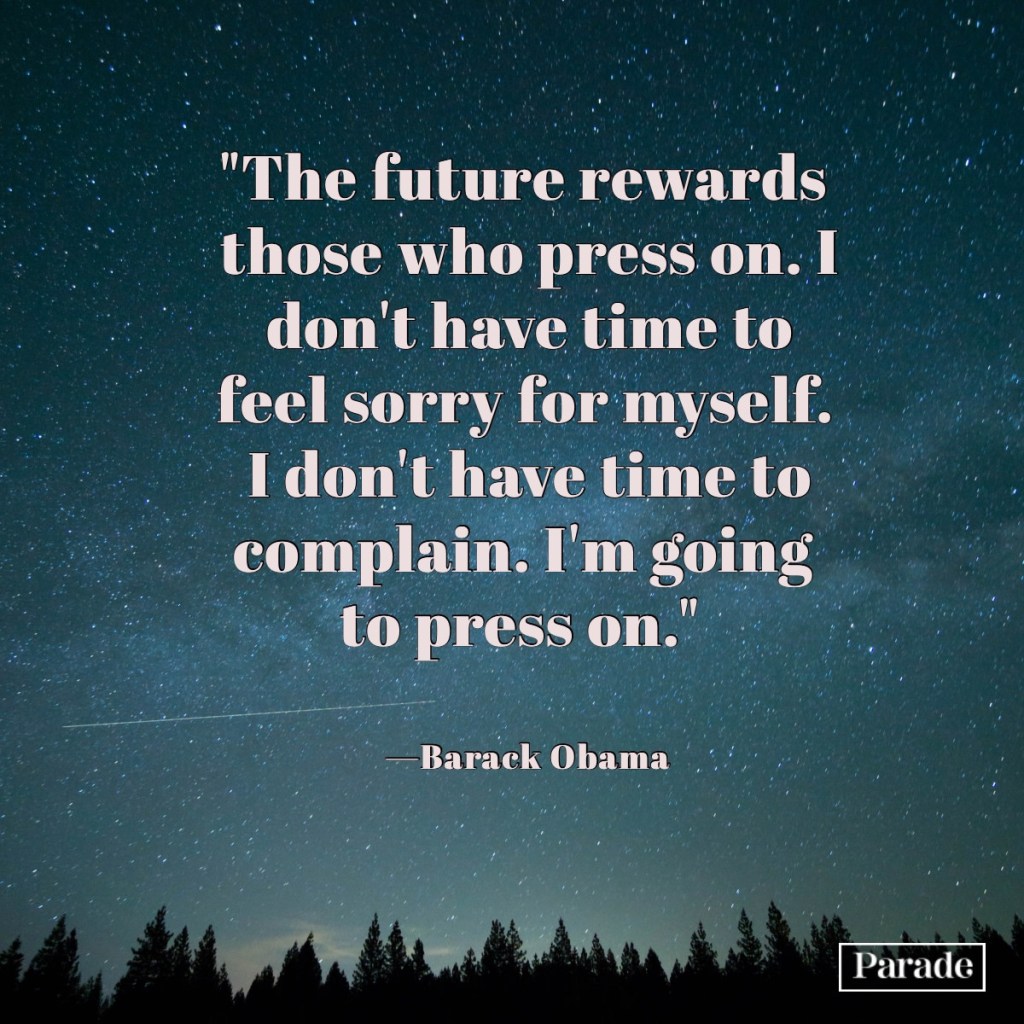
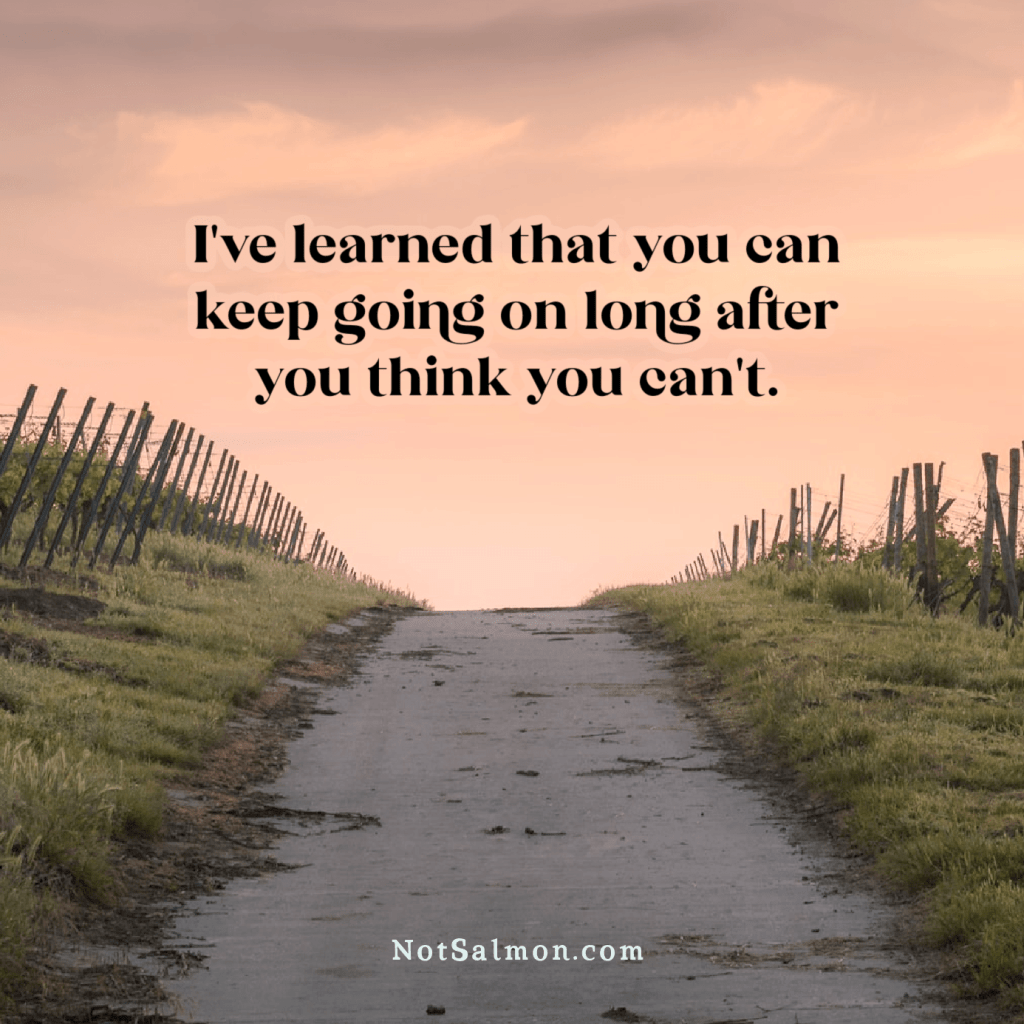
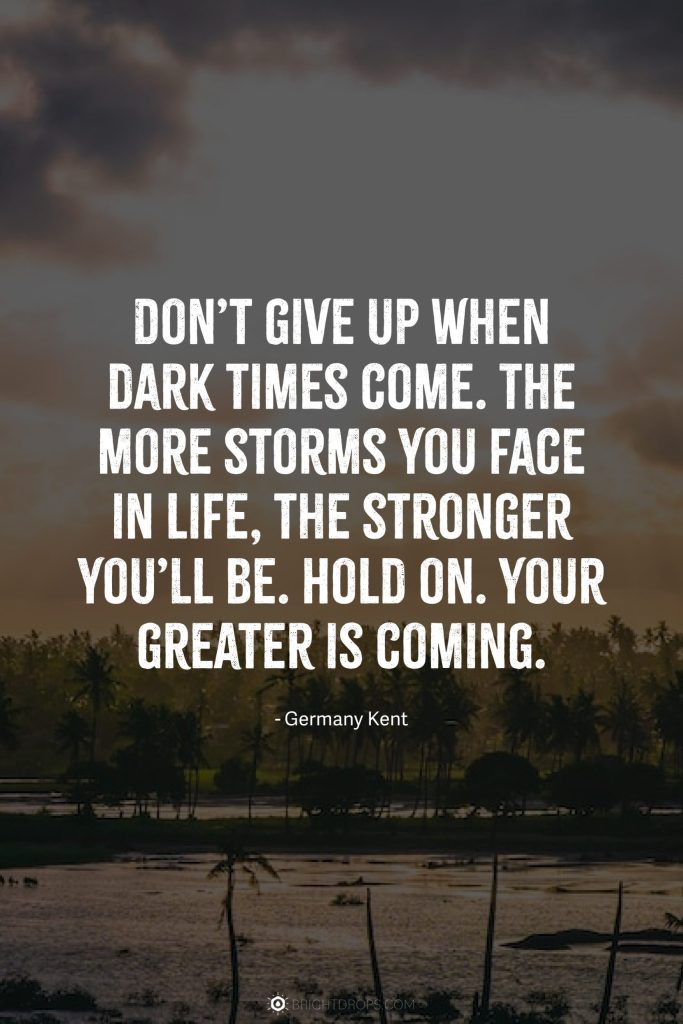
It’s okay to fail at things. Don’t let the fear of failure stop you from trying or trying again. Vivir con miedo es como vivir a medias – a life lived in fear is a life half-lived. Don’t give in to fear, and don’t give up. We accomplish nothing when we quit. [iii]
Fear Makes Things Harder
Failure is less acceptable to some of us than others. I’ve struggled my whole life because I conflated a failure of action with a failure of character. It took me years to accept that I was human, and therefore imperfect. Eating disorders aren’t much interested in your imperfections. It demands their correction post haste.
Failure is an indication that we are human and imperfect, and that’s hard knowledge for many, especially for people with a history of developmental trauma.
Developmental Trauma
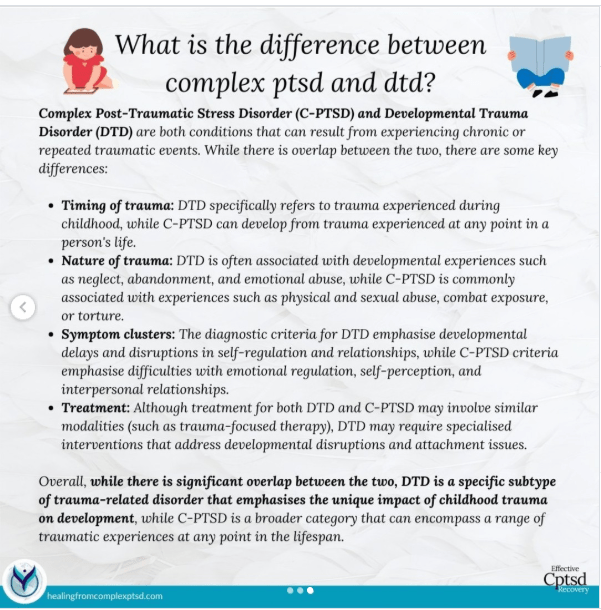
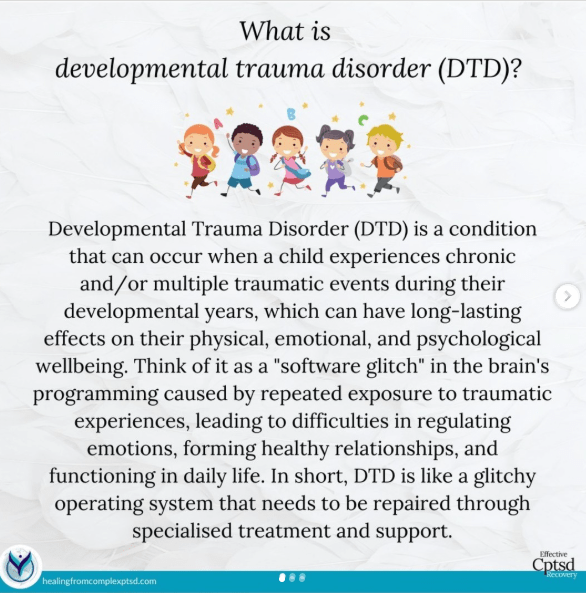
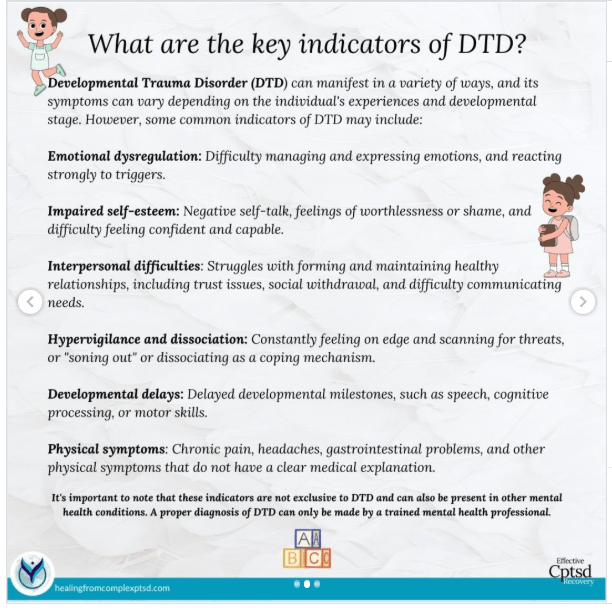
Developmental trauma, a condition that arises when children experience serious and multiple traumas during their developmental years, conditions us to blame ourselves for anything not flowing perfectly in our lives: falling off our particular horse reinforces the idea that we’re not much good at anything or for anything.
Logical arguments such as “almost no one is perfect the first time out at an activity” fall on deaf ears. We like that argument only as it applies to other people. We fear failing as though to fail is fatal.
Living in a state of high fear creates environments in which mistrust is prevalent. I don’t trust other people much beyond the surface level. I expect to be treated badly. I expect other people to do me dirty at some point. Different is always a pleasant surprise.
Self-Trust
Fear means that I don’t much trust myself, either. I’m terrified of it, but I also tend to expect failure. Unfortunately, meeting those expectations results in more negative self-talk. That derogatory inside voice doesn’t seem to motivate me to step up and try again. Who wants to get up on a horse we’re sure will buck us off?
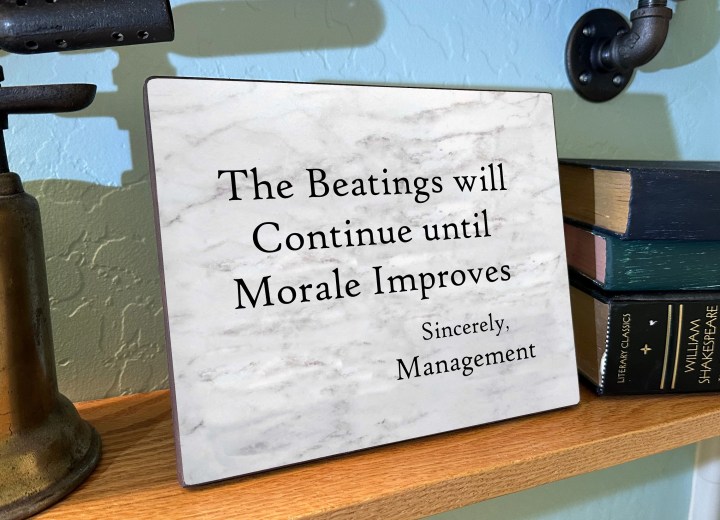
“Beating will continue until morale improves” works as well as you’d expect.
Perhaps before jumping into the saddle, a change to the inner dialogue is called for. Expecting to fail is fairly self-fulfilling, and blaming a lack of perfection on personal shortcomings is likely to see nothing but lateral movement, especially of the reinforcing type.
How to Get Back On Your Horse
It takes me a moment or ten to deal with the fall and what happens next. Having a plan in place for when the inevitable happens isn’t a bad idea. Fail to plan, plan to fail, isn’t that what they say?
There are some actions we can take that may help us make our way back up into the saddle sooner and with more ease. Fingers crossed that I remember there’s a list, and remount sooner after the next unplanned dismount.
- Accept what happened, and let it go. Acknowledge any mistakes, shake off any negative feelings you’re clinging to, and try not to dwell or ruminate on the experience.
- Get help if and when you need it.
- Learn from the situation if that’s relevant. Examine what went wrong so you can change and improve with the next attempt. I love journalling for understanding.
- Rebuild your confidence. Start with smaller, manageable steps to rebuild confidence, especially if the experience was traumatic. Try riding a pony first.
- Don’t demand perfection when it comes to trying again.
All About the Idiom
- “Get back up on the horse” comes from eighteenth-century advice given to jockeys and others who rode for a living to immediately remount after being thrown to overcome fear and minimize negative emotional reactions to the event (fun fact: playing block puzzle game like Tetris after a bad experience also helps prevent its imprinting in one’s emotional centre);
- It’s advising you to not let a negative experience (a bad interview, a failed test, or a fall, for example) stop you from trying again;
- It’s applicable beyond horses, of course; it’s designed to encourage persistence in personal goals, professional endeavours, or in recovering from a setback.
References
Why You Give Up Easily in The Face of Challenges
Six Ways to Overcome Childhood Trauma and Stop Self-Sabotage
Get Back on the Horse – Idiom Explained
[i] I sometimes wonder if I used up all of my persistence in the pursuit of my bulimia. That’s a behaviour that takes determination and resolve, for all that it’s pathological.
[ii] You do ultimately have to take the step, or it’s the fall that defines.
[iii] There are times when it’s okay to quit the field. We’re not supposed to risk life and limb to prove our stiff upper lip.
 From Famine to Feast