I like dystopian literature. It’s one of my favourite genres. I like the combination of the unflinching view of humans and how base, violent, and nasty we can get, with the yearning hope for better that’s also part of the story.
Sometimes, the hopefulness seems terribly pointless and misplaced, and often, especially early on in the stories, darkness seems to triumph, but that’s usually a temporary setback, corrected in the epilogue if nowhere else. I do enjoy those post-credit scenes from the literary world.
I tend to favour dystopian stories that feature female characters as the lead. It’s human nature, I think, to gravitate to stories about who we are or aspire to be. That being said, 1984, Fahrenheit 451, and Egalia’s Daughters have male protagonists, and I adore those novels. At the end of the day, for me, it’s about story and writing.
One of the reasons I took a long time to warm up to Stephen King is that my first exposure was Christine, and the writing therein wasn’t enough to bring me back. It was movie and television adaptations of his stories that prompted me to try again. Plus, if dystopian is your jam, horror isn’t too far a stretch.
I’ve always maintained my affection for children’s lit, and the Young Adult genre always has a robust offering of dystopian titles for the enthusiast to consume.
I found end-of-the-world scenarios very appealing as I struggled through my teens – they were both validating and a reality check: things could be worse. The affection has endured, though I wonder if I’d have liked different types of stories if my life had been more easy street.
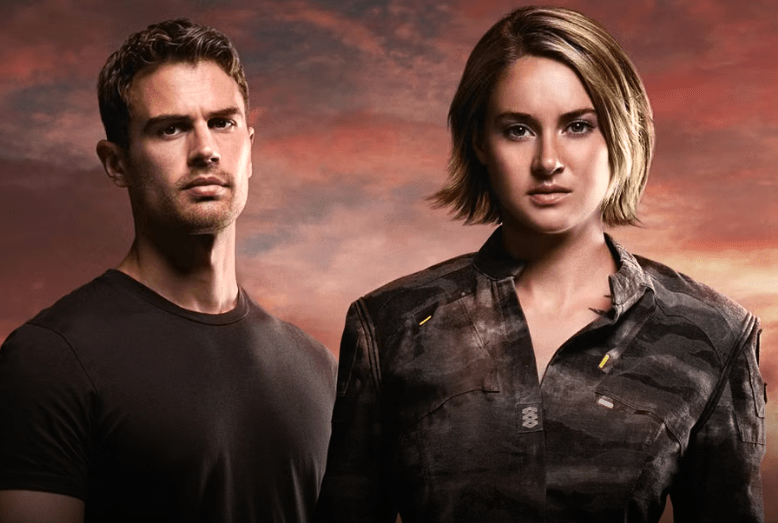
When it comes to recent offerings – it’s funny how much larger “recent” as a unit of measurement becomes once you age. “Recent” for me is now anything in the last decade – I particularly enjoyed Veronica Roth’s Divergent series.
It’s also the series with the ending I’d likely tweak. Allegiant upset me so much that I haven’t read any of the subsequent companion books, which is unusual for me. I tend to be an all-in kind of person with my affections. I’m the ‘read the book, saw the movie, bought the Funko’ kind of fan.
If you’ve not read the books and have only seen the movies, consider this your spoiler alert. The movies are incomplete. They end before the books do. The last movie only covers half the ground of Allegiant. What is missed is fairly significant.
Tris dies.
I was extremely distressed and irate when I read those words at the end of chapter fifty. I flipped ahead to this section and that, sure that it was a mistake or red herring, but no. She, like the rest of her family, was gone.
Did you know that there are some people who don’t cry when they read about sad happenings in novels? Amazing.
In the moment, I wanted nothing more than to throttle the author. How dare she? In the years since, however, I’ve had time to let the reality of her death settle, and I’ve come to agree with the author’s decision. There really was no other option for her character. Happily ever after wasn’t on the cards for Tris, given everything that had happened since she first made that Dauntless choice.
The books end true to genre type – there is hope for the future going forward. I was too devastated that Tris wasn’t going to be part of the world she fought and died for some time after finishing to appreciate that she got the job done. That you aren’t always building for yourself in this life is an uncomfortable truth, and the kind of lesson that hits a little too close to home.
Not everyone gets the happy ending. I suppose that’s why it’s important not to take the good moments for granted.
I guess Tris was right – when you have to choose between two bad options, you pick the one that saves the people you love.
~ Tobias (Four)
Allegiant


I like dystopian novels too, although less so since the pandemic. That dystopia hit too close to home. I’d like to make a couple of recommendations: Station 11 is written by a woman and has a female protagonist. And Earth Abides is from the 1940s and is utterly male, but I think it takes a great anthropological look at the future after the extinction event.
LikeLiked by 3 people
Thank you for the recommendations – I’m always on the lookout for more.
Yes, the COVID pandemic often seemed surreal.
LikeLike
So, did you try Stephen King’s “The Stand”? The methodology of the fall of civilisation there seems all too believable, given the last few years…
LikeLiked by 4 people
I did. I quite liked it, plus, it’s long enough that one has a real sense of accomplishment.
His use of “the center cannot hold” quote does seem particularly prophetic.
LikeLiked by 1 person
I once read something by Stephen when he was referencing people’s fascination with the macabre, that you will tell people there is dead body beneath the sheets and they will still want to peek at it… Guess in a weird way it also explains dystopian, apocalyptic and post-apocalyptic fiction… 🤔
~B
LikeLiked by 1 person