I live with anxiety and c-PTSD among other neuroses – humble brag – and lists are my happy place. I find them aspirational and inspirational. I can tend to aimless wheel spinning with my puttering – reorganizing the library again is a lateral move no matter how it soothes anxious feelings – so lists can lead to me feeling productive at the end of the day.


Feeling productive is a net good. Plus, there are things in life that need to get done. When my depression is acting up – another humble brag: if I can’t be neurotypical then I’m hammering home the divergence – the basics of self-care (showering springs to mind) can become irregular. Lists help keep me on track.
It’s nice to see a checkmark on a piece of paper. We’re well-trained as children in that regard. Why do you think calendars and agendas for grownups come with stickers?
The secret with lists is to be aspirational, but not over-ambitious. It’s unlikely you’ll get to the laundry, lawn, and repainting the mudroom this Thursday. Break things down appropriately.
And, when you’re struggling, give yourself easy wins. Add making the bed. Add brushing your teeth – and that gets a tick each time it gets done. Happiness is three ticks. Add things after the fact so ticks are guaranteed. There’s no one true way.
Add new repeating tasks to routines that already exist. Studies show we’re better at adopting new habits if we tie them to something else. If you want to remember to floss your teeth, do it after every cup of coffee. Or you could add it to brushing. You do you.
Keep the list where you can see it – hanging it on the inside of a cupboard door you keep closed is less than pointless. My to-do lists live in my daily planner, which lives on the kitchen peninsula since that’s the side of the house where I spend most of my time. Make things easy for yourself.
It’s so strange how we tend to the opposite.
I check my calendar first thing to see what appointments or commitments are pending – another reason keeping it by the coffee pot is handy. Taking a moment to write down the things I’d like to get done is the work of seconds, but it has big payoffs for me: there are the aforementioned dopamine-stimulating ticks upon task completion, and I get to get the concerns out of my head.
This is what I love most about lists – they lighten my mental load. I add things to future to-do lists as well – there’s a note in the calendar the week before birthdays to shop, for instance – and that helps keep my brain quiet. Anxiety has a harder time in an organized system.
Which is a lot of words to say that I rarely leave things on the to-do list undone. Once upon a time, I was too enthusiastic with my lists. I didn’t leave things undone – that’s not how anxiety works – but my days were long. Then I learned that you can cross things out, and nothing happens. It’s okay to cancel things. It’s okay to change your mind. Try to keep the list realistic. Your time is a finite resource.

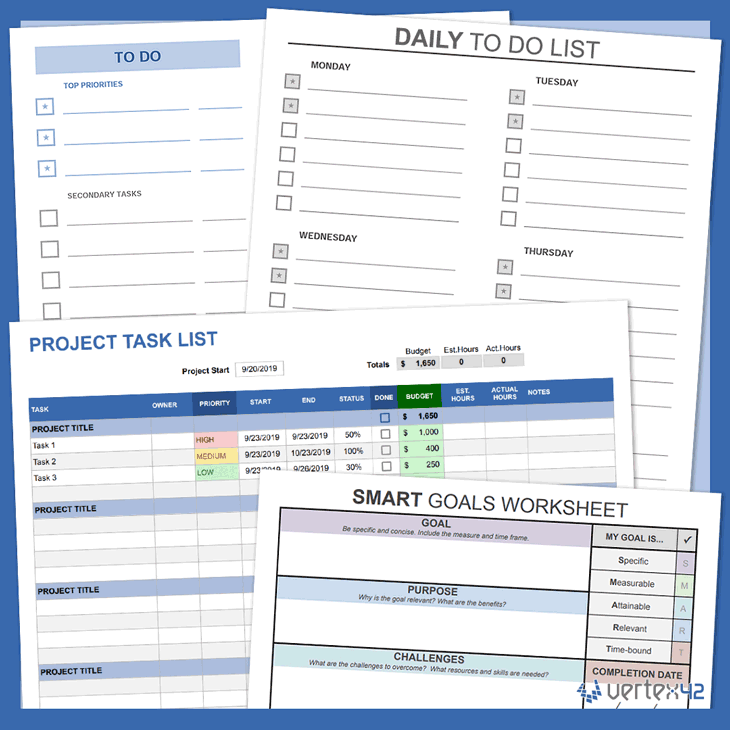
I would be remiss if I didn’t mention SMART goals. Essentially, you’re more likely to achieve your goals if they meet certain criteria – if they’re Specific, Measurable, Achievable, Relevant, and Time-based. There are articles and books aplenty if you’re curious, but basically, keep things small, and focus on things that are important to you. Don’t waste your “one precious life” on the irrelevant.

It’s so annoying when that happens.
 From Famine to Feast
We agree on this subject too—I have SO MANY lists! Most are in the Notes app on my phone, so I can easily keep track of EVERYTHING. How do others live without such organization?!?!
LikeLiked by 1 person
I have no idea how people live without lists and schedules. Even thinking about it is anxiety-provoking. And cross-referencing is the jam lol.
LikeLiked by 1 person
Yes!
LikeLiked by 1 person
To do lists are great to keep us on track to accomplish more in the day. It helps form a sense of achievement.
LikeLiked by 1 person
That’s the part I really enjoy. Seeing that I did accomplish things over the course of the day .
LikeLiked by 1 person
Thanks for sharing this idea Anita
LikeLiked by 1 person
We feel pleased that you meet needs for order and effectiveness with lists.
We only occasionally make them—and then it’s really about memorizing them or remembering what we wrote cuz we observe that we struggle to use a list.
We read somewhere that DID people struggle hella to use lists: who wrote it, who’s reading it, who can decipher it, who remembers there is a list?
The phone helps a little: it’s somewhere we look daily. Even then, reminders and lists don’t register with everyone
Hypervigilance can help get stuff dive but when it wanes, like you said during depression, shit might not get done
We set a reminder at 10:02 am today to go off at 10:05 to tell us to call Younger Child, go to grocery store, then mail a package
Then we just started at 10:04 on our own. So maybe the writing it is the key: for us it’s setting intention
LikeLiked by 2 people
I hadn’t heard that about people with DID before, but it makes a great deal of sense. I’m sorry, it must be a frustration. Sometimes, it’s the “small” things people on the outside of our realities don’t think about that are a real struggle.
I think setting an intention is a good way of setting a reminder in our heads. I used to do it when my son lived at home, ask him to remind me about something.
He’d usually forget, but the act of asking seems to cement it into my brain as well.
LikeLiked by 1 person
Hahaha Younger Child asks us to remind them of stuff every few weeks. The phone will corner remind us or it won’t. Anyone relying on us for reminders knows they are gambling
Same with asking us to keep a secret! If they are lucky, we will just forget the info. Otherwise we remember the juicy gossip and forget whom we are keeping it from: oops hahaha
LikeLiked by 1 person
Keeping gossip quiet is hard, especially juicy stuff. There was a girl in my high school who would literally run to share 😁
LikeLiked by 1 person
Hahaha
Spouse is very curious and interested and asks many questions about everything of everyone. The kids say, Please stop asking. We don’t want to tell you things because the follow up grilling is so intense. So they tell us sooo much because we don’t ask and aren’t too interested hahahaha
Spouse doesn’t tend to share the info gleaned from anyone. Just had needs for information and clarity that are met with details
We like to focus more on feelings and needs, which require few details until the strategy phase to meet unmet needs. Those strategies would benefit from your, what was it, SMART goals?
LikeLike
I find curious people interesting. I try to remember, but it’s not innate with me. My dad and brothers are like Spouse.
Kids are such contrary creatures lol
Yes, SMART – specific, measurable, attainable, relevant, and time-based.
I can struggle with inertia. I make a daily and weekly list using this criteria. I even include things like contact X and Y to maintain friendships.
The trick for me is to keep the total number small. My brain likes self-defeating behaviour and will suggest a massive list to encourage failure.
LikeLiked by 1 person
Brain, are you scared that regular effectiveness from lists will make it more painful the day Michelle isn’t effective? Are you worried about not being perfect?
What are other strategies could you use to get your need for stability met besides trying to prevent Michelle from creating and finishing the list?
Brain, are you willing to engage in a SMART request that eases your worries and also meets Michelle’s needs for order and progress?
LikeLiked by 1 person
Thank you. These are good questions and I’ve not considered them. My brain didn’t like them, and it got quite uncomfortable. I’m writing them down and putting them on a Post-it on my computer screen. I will keep thinking about this.
LikeLiked by 1 person
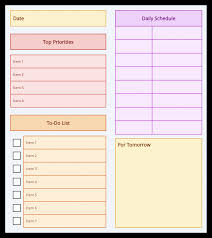
Lovely post. I love to use To-do lists to keep my day and tasks organized. I prefer for my to-do lists to have a small space to write notes along with the timings and titles. Also, a checkbox option so I can tick them as I go.
LikeLiked by 1 person
Thank you 😊 I like lots of space for notes as well. How I tick depends on my mood. Sometimes, a fierce line through makes me happy.
LikeLiked by 1 person