

I read Steven Covey’s “The Seven Habits of Highly Effective People” when I was at university. Not as coursework. Instead of coursework. I did that quite often. It’s a big world with lots of books.
I loved it. I’m fond of the self-improvement genre, and he had a lot of good ideas. I wanted to implement them all and be effective in my life, but I was pretty committed to my eating disorder in my twenties and thirties. Things like plans and goals were for later when I was and life could begin.
Plans and goals are for when you’re perfect. Nothing you do until then matters. It’s barely real. So you don’t plan anything. No plan means no arrival. I had no destination beyond surviving. Not getting trapped in a depressive hole or dead took up much of my life: the rest was devoted to parenting.
Parenting got the short shift, a regret that burns but I live with it. What other option is there?
I did have eating disorder plans. I wrote and posted lists and plans for that everywhere. I had vision boards of very thin women, I had journals full of hows to get to the weight I needed for happiness, and I had exercise plans and systems that allowed me to carry on with my bulimia while still acting as though I was participating in life.
But with an active psychopathology (I quite like referring to myself that way, I feel like a comic book heroine), survival was my only real plan.
Except when I didn’t want that either.
I had no plan beyond survival when I started this last effort at recovery either. I wanted to stay alive, something I was struggling with, but specifics beyond that, like what life might look like on the other side, were vague. Luckily, I didn’t need a plan. That’s the nice thing about inpatient treatment – someone else does the driving. And I had doctors and counsellors to keep me moving forward after my release.
They provided some structure.
But my recovery is starting to feel pretty stable – four years coming up – and suddenly, recovery’s not enough.
I’m moving into my maintenance years, and I want something I can’t find here. I’m ready to stop being “in recovery.” I’m ready to start living the life of the recovered.
Maybe. An identity is a hard thing to abandon.
A plan would probably help.
I’ve been working on some ideas in my head, on and off, but I don’t have concrete end goals as yet. And I certainly don’t have them fleshed out or written down. I have vague thoughts and lists.
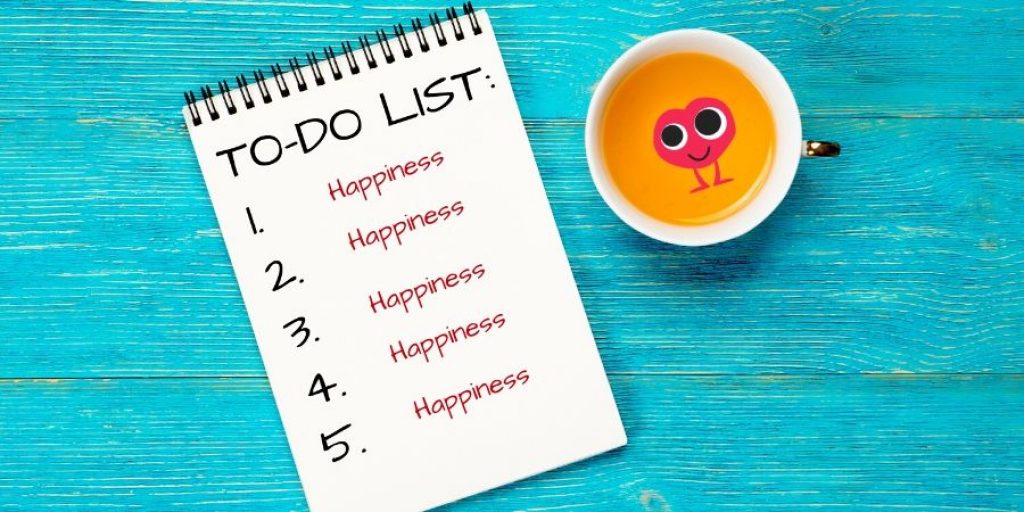
Happiness is drawing a line through something done. I prefer to scratch it out rather than tick it off. I don’t like the way I write checkmarks.
Lists and I aren’t new, but I’ve been keeping them small and focused on the minutiae of life, full of things like showering, grocery shopping, exercising, and connecting with someone, for quite some time. This last month has seen me wanting to level up and start hitting big projects.
Work on my book. Work on some of the big, around-the-house stuff. Step up and embrace life.
Maybe even talk to people.
I’ve been thinking about renting out my (yet-to-be-built) basement suite. I’ve been thinking about participating in social and community events.
I’m thinking it’s time to start planning a life that isn’t eating disorder or recovery based. I’m in midlife. I don’t have that much more time to waste on waiting.
You need to be careful with recovery. It can become a trap, a new personality and pathology. Recovered, not in recovery for eternity is the goal. Recovery is in some ways a scarcity mindset, and that’s often what gets me in trouble in the first place.
It’s why I also include journalling on my lists. You’d think I’d simply do the things that are good for me, but humans don’t seem to be built that way. If I don’t write it down, more often than not, it doesn’t get done. And when I don’t journal, I get trapped in ridiculous thoughts.
So, lists. I love them, but there is a problem. Lists aren’t terribly future-focused, mine, at any rate. I deal with the present and near future in the ones I write. I’ve no end goal in sight with my lists, no ideas about what I want my life to look like when ninety, looking back. The current lists are heavy on routing: brush your teeth, vacuum, call Mom.
Luckily, I’m someone who keeps a good book. Or a bad book. I find it hard to get rid of books. You never know when you might want a second look. But if I want to be the “man with the plan,” a reread of “The Seven Habits” it is.
I’m ready to live life with a destination in mind, as opposed to walking a road that curves away from sight.
Lists are about giving me a sense of satisfaction and accomplishment in the now. Planning is about hope for the future.

 From Famine to Feast
I’ve read the book and have it in my collection somewhere still, though it’s been AGES since I read it. It’s now considered a classic. Likely worth a fresh read every so often—its points will hit different in new phases of life. I’ll put it on my list… 😉
LikeLiked by 1 person
We’ll compare notes 😁
LikeLiked by 1 person
Deal.
LikeLiked by 1 person
I think win/win is challenging. Gotta work on that myself.
Starting with a goal in mind is difficult, too, as I feel like either the goal is too mundane that I don’t really have to focus on it, or it’s like a child’s dream that is just that.
LikeLiked by 1 person
Devaluing your own goals is something I’m familiar with. We need to cut that out.
LikeLiked by 1 person
“I’m ready to stop being “in recovery.” I’m ready to start living the life of the recovered” very profound line right there, Michelle.
LikeLiked by 1 person
Thank you 😊 I didn’t know in the early days that there was a difference.
LikeLiked by 1 person
Well now you know 😊.
LikeLiked by 1 person