
What’s a meme, anyway? Sometimes, it’s a GIF, but I’m not wading into that hornet’s nest. Pronounce it how you want.
Memes are funny, most of the time, but that’s not a particularly helpful definition. Lots of things are funny that aren’t memes (though sometimes they get turned into one, preserving them for posterity or the EMP).
According to information online, a meme’s an image, video, piece of text, etc. that’s culturally relevant and regularly shared (sometimes virally) from person to person by imitation or other nongenetic means.
Like sending it to a friend group or grandma.

I figured it was a new word, one of the multitudes that showed up with Y2K alongside MySpace, AOL, and the world wide web, but it’s actually a GenX disco baby.
You’re welcome.
“Meme” is a portmanteau from the Greek mimēma (that which is imitated), and the English gene. Richard Dawkins, a British evolutionary biologist, used the term in his 1976 book, The Selfish Gene, and it grew in popularity from the seventies until it was nearly ubiquitous.
Who knew?
Lots of people who aren’t me, I guess.
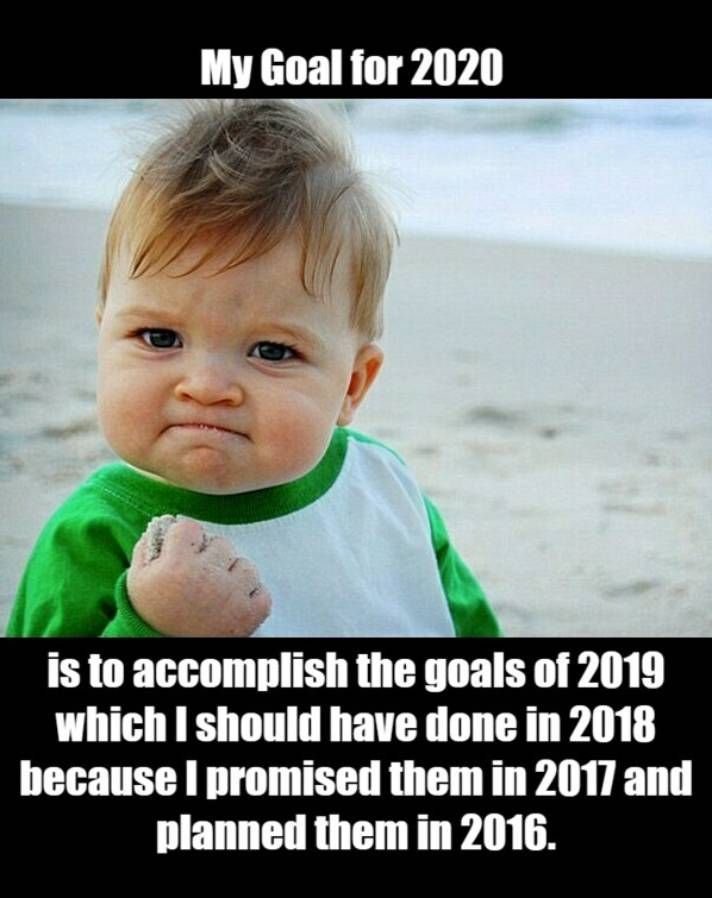


content face.
Dawkins conceived of memes as the cultural parallel to biological genes and considered them, in a manner similar to “selfish” genes, as being in control of their own reproduction and thus serving their own ends.
Richard Dawkins
Memes vary in quality from those that look like they were vomited into existence to those that look like Monet or Georgia O’Keefe had a hand in their creation. Many of us collect them in digital files, a pointless exercise for me since I quickly forget their existence. Then again, I forget the nuts of bolts of various collections that live in my world. It’s hard to keep track of large amounts of stuff.
But, I digress.
Memes come in patterns and cycles. Today’s hot property is tomorrow’s groan and delete.
The most popular style is the image macro with text. Inspirational (demotivational) poster versions were also very popular in the early days. You could find the sincere and the sarcastic with very little effort. Initially, that’s mostly what MySpace and Facebook were, a place to share the funny.

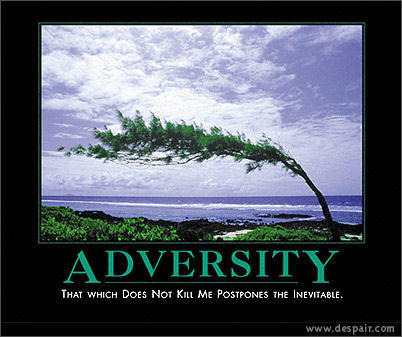
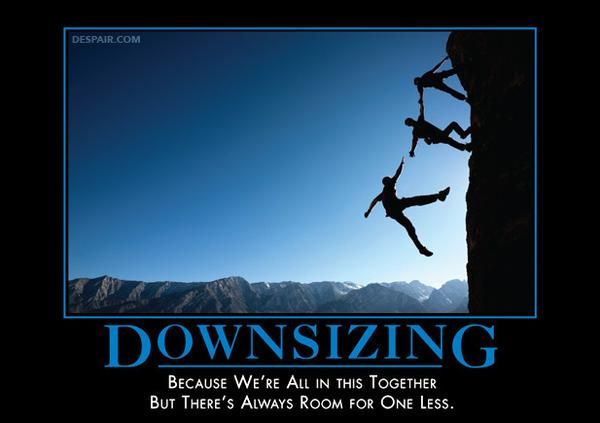

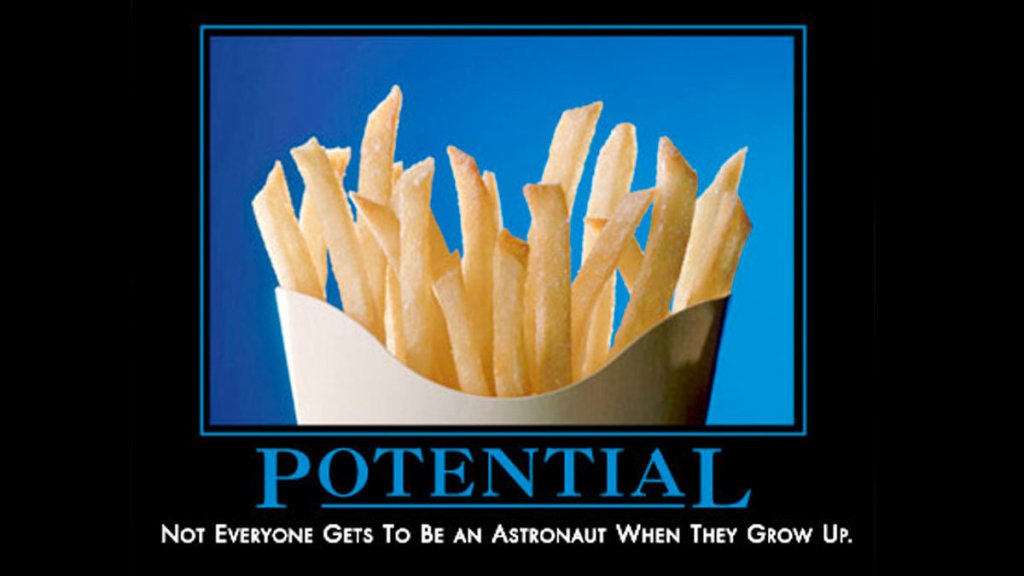

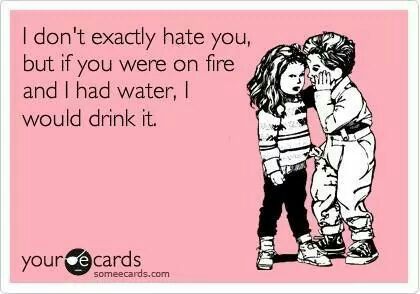
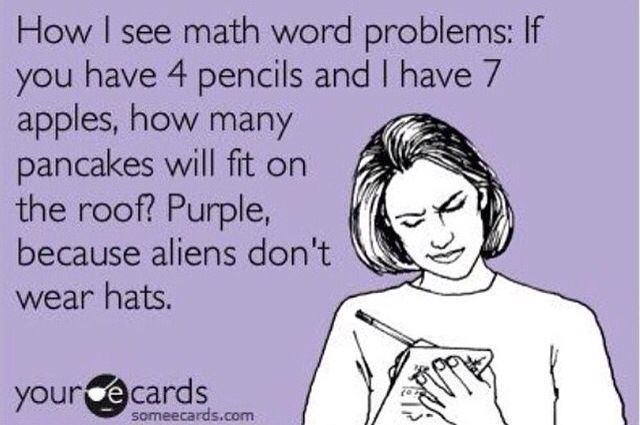
There are popular meme templates that endure for decades: ecards, change my mind, distracted boyfriend, girl arson, and the American Chopper argument. We use the templates over and over because the images are widely applicable. Plus, our brains like familiarity: we’re more likely to like things we’ve already seen and experienced. New is hard, and it takes more energy, and we’re pretty committed to energy conservation (unconscious) and laziness (learned).
The “My ecards” were very big on inaugural Facebook. I thought they were so cool. I spent many an hour at work online, curating collections. You never know when you’re going to need a good meme. And if I decide to go back and look through saved files, my memes are easy to find. It’s folders, sub-folders, and good file names all the way down.
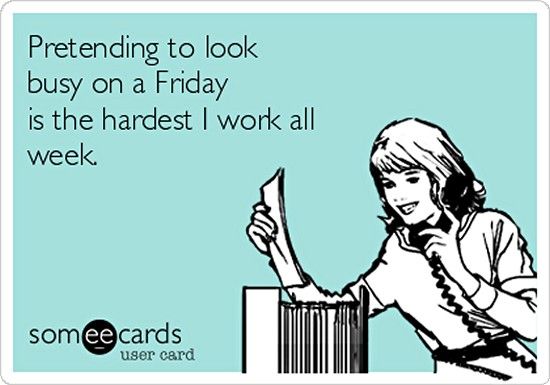
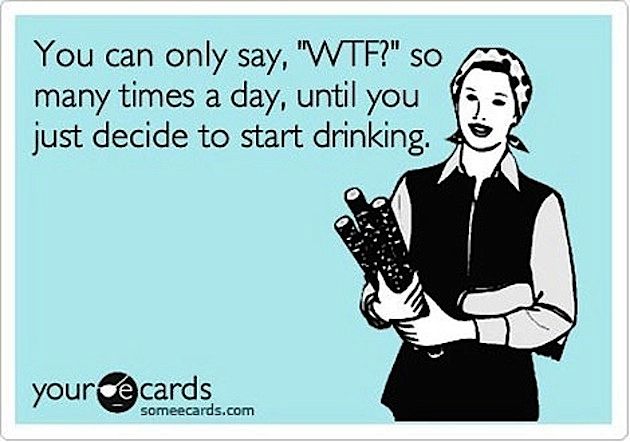
A meme collection is a perfect collection – it takes up almost no (digital) space. You can fit a lifetime’s worth on a single memory stick if you need to pull them from your devices for some reason (or feel they deserve a backup). And unlike my books, plants, dolls, stuffies, and stamps (and more collections undoubtedly pending), no one can see or judge my electronic hoarding/collections.
I bet there’s a meme for that.
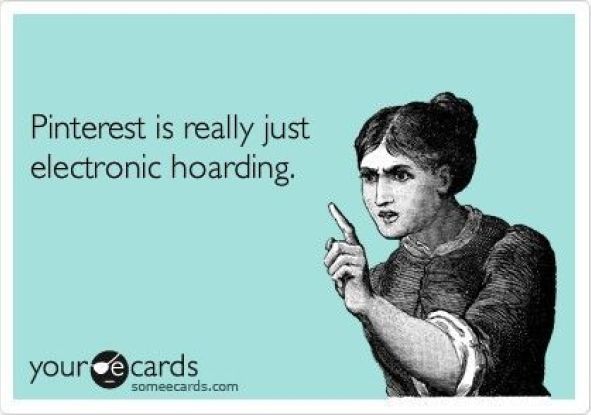

but the template is fire.
 From Famine to Feast
I love memes, but I do not collect them—I post or share them, then move on. I totally understand collecting them though, and I admire a good folder > subfolder > descriptive file name structure!!
LikeLiked by 2 people
Happiness is good naming systems. I once took over a system where the only file name was date 🙄
LikeLiked by 1 person
Seriously—it’s what makes things findable!
LikeLiked by 1 person
Oh, sweet! Can you take over my picture files!? I reeeeally need help. 😎
LikeLiked by 1 person
Pictures are challenging. Before I got good at e-filing and labelling I named thousands “my son.” 😂
LikeLiked by 1 person
Thanks for sharing this idea. Anita
LikeLiked by 1 person