“May you live in interesting times” is a great curse. “Interesting” is such a weighted word. I’d rather have come of age in less interesting times – the history I’ve lived through is full of such darkness. Vietmam. The explosions of the space shuttles. Various American wars. Tiananmen Square. 9/11. Lockerbie. Ecole Polytechnique. Sandy Hook. Sarin gas. And these are just off the top of my head.
The events that we hold onto, the ones that we deem most important depend on many factors. We think important things are universal, but they’re very personal and far more tied to who we are and where we live than we realize. The events that stick in my mind are different from those that stick in the mind of someone from New York or East Timor.
Ecole Polytechnique and fourteen dead women.
Where were you on December 6, 1989? Where were you when a hate-fuelled, gun-carrying man entered a university classroom at the Ecole Polytechnique in Montreal, Canada? He separated out the women, screamed, “You’re all feminists,” and killed them with a semi-automatic assault rifle. For the crime of being female. He felt less than in his life, and that was women’s fault.
On December 6, 1989, a man entered a mechanical engineering class at the École Polytechnique de Montreal, armed with a semi-automatic rifle. After separating the men from the women, he opens fire on them, shouting, “You are all feminists.” He killed 14 young women and wounded 13 others. He then turns his gun on himself. In his suicide note, he blames feminists for ruining his life. His note lists 19 “radical feminists” whom he would have killed, he writes, if he had had the time. On the list are well-known women in Quebec, including journalists, television stars, and trade unionists.
L’Encyclopedia Canadienne
Blaming women is a refrain we hear too often. Not much in this world isn’t our fault according to many. And we owe it our all.
Look at the rising numbers of incels and MGTOW devotees. In the US alone, it has left dozens of women dead and has led to numerous incidents of domestic terrorism. These groups are hate and violence directed at women. Much of it is generated by the idea that women are something all men are entitled to, and it’s correlated with the recent rise in toxic masculinity. It’s a common belief taken to the next level, but can anyone look at the history of violence against women and say they didn’t see this coming?
The phrase emphasises the worst aspects of stereotypically masculine attributes. Toxic masculinity is represented by qualities such as violence, dominance, emotional illiteracy, sexual entitlement, and hostility to femininity.
This version of masculinity is seen as “toxic” for two reasons.
First, it is bad for women. It shapes sexist and patriarchal behaviours, including abusive or violent treatment of women. Toxic masculinity thus contributes to gender inequalities that disadvantage women and privilege men.
Second, toxic masculinity is bad for men and boys themselves. Narrow stereotypical norms constrain men’s physical and emotional health and their relations with women, other men, and children.
The Conversation
I was attending classes at the University of British Columbia when the mass shooting happened. I couldn’t believe that men could hate us so much – chauvinistic and sexist attacks from profs in the Political Science and Economics faculties notwithstanding – but the Montreal Massacre wasn’t a one-off: violence against women continues, as does the male-based pushback that this is in any way a man problem.
“Not all men,” they tell us, and I know this to be true. My dad’s a good guy, and so is my son. My brothers are decent people, and I’ve known many men I’ve liked. And yet, our list of allies grows thin. What good is silent support when bodies continue to hit the floor?

Too many men.
Perhaps we need to replace “not all men” with “yes, all of you,” or even, “okay, not all of you, but far too many of you and you aren’t helping us.” Although that last one’s unwieldy.
How exactly are women supposed to tell the difference? Good guys and bad guys look the same, and since men don’t stand up and speak for women very often, how are we supposed to know who’s in our camp? The consequences of making a mistake can be severe.
If you can’t stand up and speak for women, then you’re part of the problem.
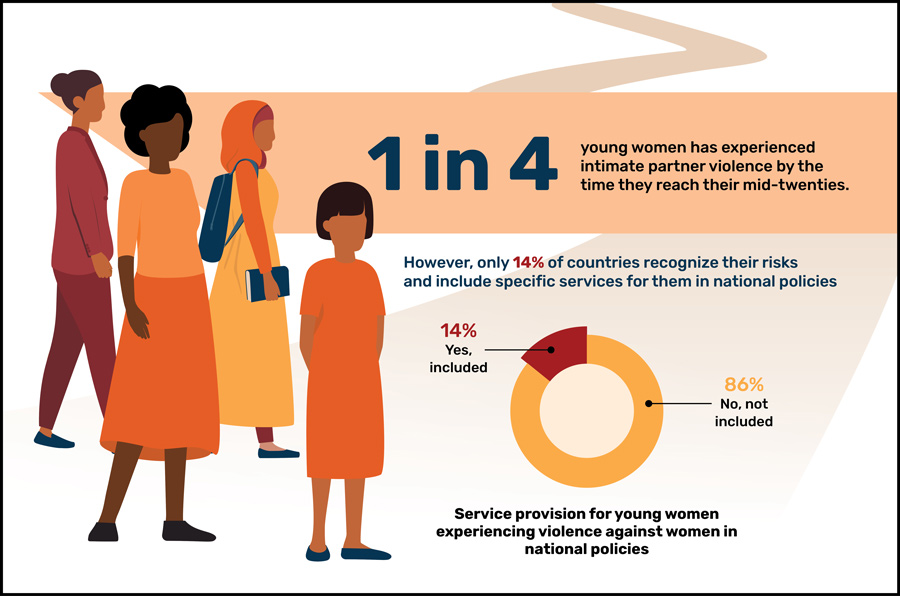
47,000 women were killed in domestic violence incidents in 2020. Numbers like those are hard to wrap our heads around. Easier to understand – a woman is killed by a family member every eleven minutes.
And yes, women abuse men, and women hurt men (one in three women report physical violence compared to one in four men in developed nations, but the numbers diverge with men committing more offences as the level of violence increases), but the consequences differ. I’m reminded of Margaret Atwood when the arguments turn in those directions:
Men are afraid women will laugh at them; women are afraid men will kill them.
Margaret Atwood
What to do, what to do?
I’ve no idea what to do next. I know a few things. I know I get sad on the anniversary of the Ecole Polytechnique mass shooting. I know women are still killed for being women. I know that what we’re doing now – and what is that exactly – isn’t making things better. In fact, women’s rights are being threatened in developed countries on a global scale.
The costs of inaction are severe. In addition to the dead, there are the injured, and the lost economic and human potential – those numbers are huge. Imagine how much better things would be if half the population wasn’t always under attack?
People like to fix problems by applying bandaids, and violence against women is no different – Jordan Peterson‘s exhortation to give single men a woman and enforce monogamy on them springs to mind – but bandages are a patch. They don’t go back and correct the problem that led to the injury.
When did we start looking at patches as solutions? Thank goodness the Dutch did it differently once upon a time, or that little boy would still be there with his finger in the dike. Somewhat skeletal, but there. Why we try to solve problems at the end rather than at the beginning is a mystery to me.
The solutions must come from the ground up. We need to change how societies think about women. Let’s start with education. We need to change how and where we intervene. If you would know the man, look to the boy, or something like that. We’re still dismissing horrible behaviour as “boys will be boys,” even when the boys in question are middle-aged or older. We’re still too willing to look away from problems in the domestic sphere, as though homes come with force fields that prevent too much interference and help.
Not all men, then, but definitely most of us. Apathy is an ongoing issue. Getting involved on the local level is one cure.
 From Famine to Feast
“Why we try to solve problems at the end rather than at the beginning is a mystery to me.”
When a solution is implemented, it IS the end of the problem…even if it’s introduced at the beginning.
LikeLiked by 1 person
True. But people in positions of power seem to focus on bandages rather than solutions. Or blinders.
LikeLiked by 2 people
Sadly true.
LikeLiked by 2 people
Gender based violences against women and girls is a challenge in many countries and greatly contribute the Vulnerability of women and girls. In Africa 85 % of women living dependant life where Men by men are bread winners and this situation resulted into GBV.
Women and girls suffer and die silent 🤫. Lack of enough resources for women and girls empowerment initiatives continue left our beloved women and girls in death trap.
We can’t stand and watch such malpractices continue happening every day, every hour and every minute. We need to fight for their freedom. And fully protect , empower and enlighten them for their rights to break the silence 🔕 including promote reporting channels (system)
LikeLiked by 2 people
This is very true, and you’ve shared important points. Women need financial independence. Much improvements flow from this.
Thank you for reading and commenting.
LikeLiked by 2 people
Let’s partner and work together in the fight, getting resources for relevant initiatives is our challenge, so in partnership with you can enables us to source funds for such important projects. Looking forward and waiting to hear more from you.
LikeLiked by 1 person
My dad was a sexist man. He believed it was the biblical and christian way. Women were not to be liberated, and should be to the home raising kids when they marry and not out making the money. Even when I was an adult, my mother and I were under the control of my dad. Even on the times when I lived on my own, but my brothers got to have their lives. My dad died 20 yrs ago, then the one brother I have who was not married, took over telling my mother what to do and I. At the time I was living with my mother and taking care of her, then we moved in with my brother and it was like my brother became by daddy. This is how he was taught. My other brother, well, we won’t mention him but no woman should have ver married him, but they did. Anyway, I am no contact with my family. I just started a blog and looking for like minded people. This blogpost really caught my eye. Many men are sexist, just like my dad. And some countries its legal to beat on women. Womens rights is one thing on my blog I’d like to discuss. So for whoever wants to, come to my blog as well. And I’ll subscribe to yours here.
LikeLiked by 2 people
I’m sorry that was your experience. Thank you for sharing a piece of it. Misogyny and religion are so intertwined. I’m glad you’re free, though letting go of family is a hard thing.
You’re right, a lot of men are sexist. My dad is, though he’d disagree. He’s is more a gentle paternalism, but frustrating at times nonetheless.
Thanks for the follow. I look forward to reading what you write.
LikeLiked by 1 person
true
LikeLiked by 2 people
very well
LikeLiked by 1 person
This is really sad. Well said. “The solutions must come from the ground up. We need to change how societies think about women. Let’s start with education. We need to change how and where we intervene.” you wrapped it up perfectly.
LikeLiked by 1 person
Thank you. I appreciate you reading and commenting. The topic is important to me.
LikeLiked by 1 person
If I may, I’d like to reblog this, with the warning that I have a self-styled MGTOW pest, who may come to your site via any links I share.
LikeLiked by 1 person
Thank you for asking, and for wanting to. Feel free. I both block and play, mood-depending. I’ve been fairly lucky on WP. Fingers crossed, though for what, I’m uncertain.
LikeLiked by 1 person